Growing up in the abundance
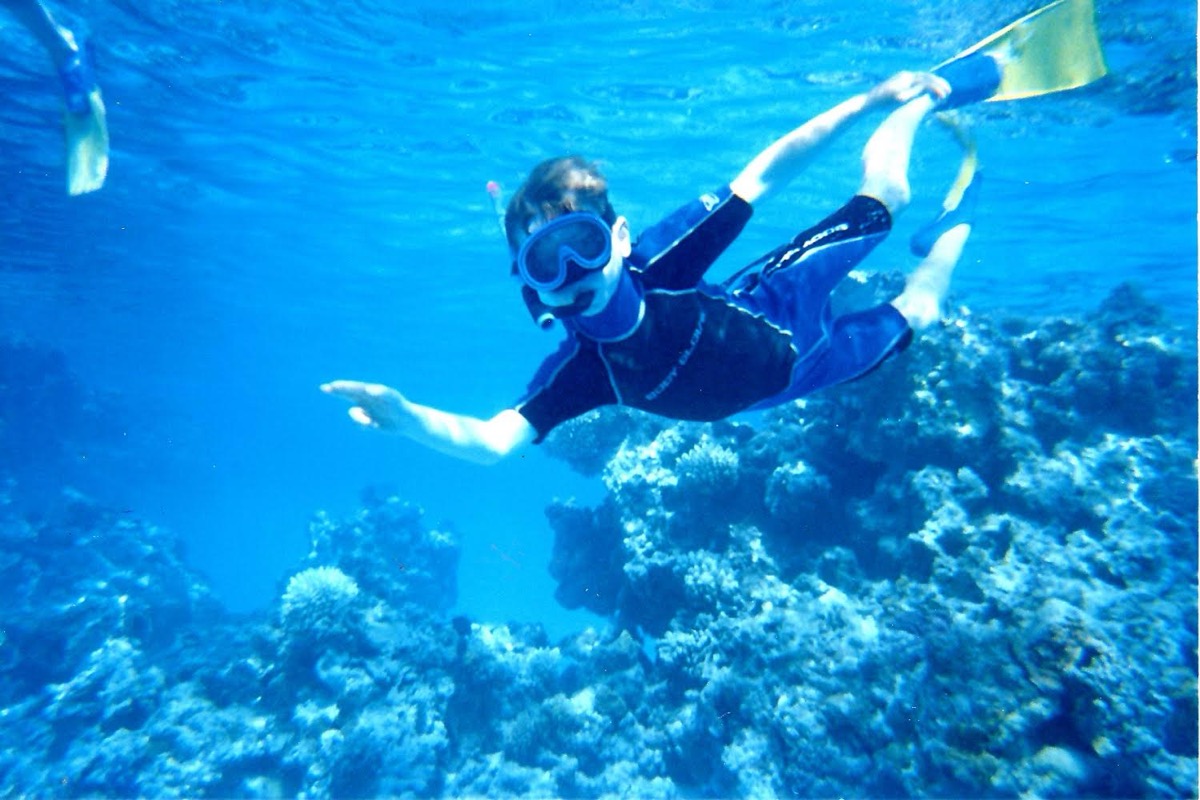
My father loved sailing and diving, and from a really young age he had me in the water with him. I was lucky enough to witness the ocean's abundance before the year 2000 — reefs thick with kelp, fish everywhere you looked.
Kelp itself used to scare me as a kid. When the long fronds brushed against your leg in the water, it felt exactly like something alive had grabbed hold of you — like a sea snake wrapping around your calf. That's how much of it there was.
2021 — a dive with nothing to spear
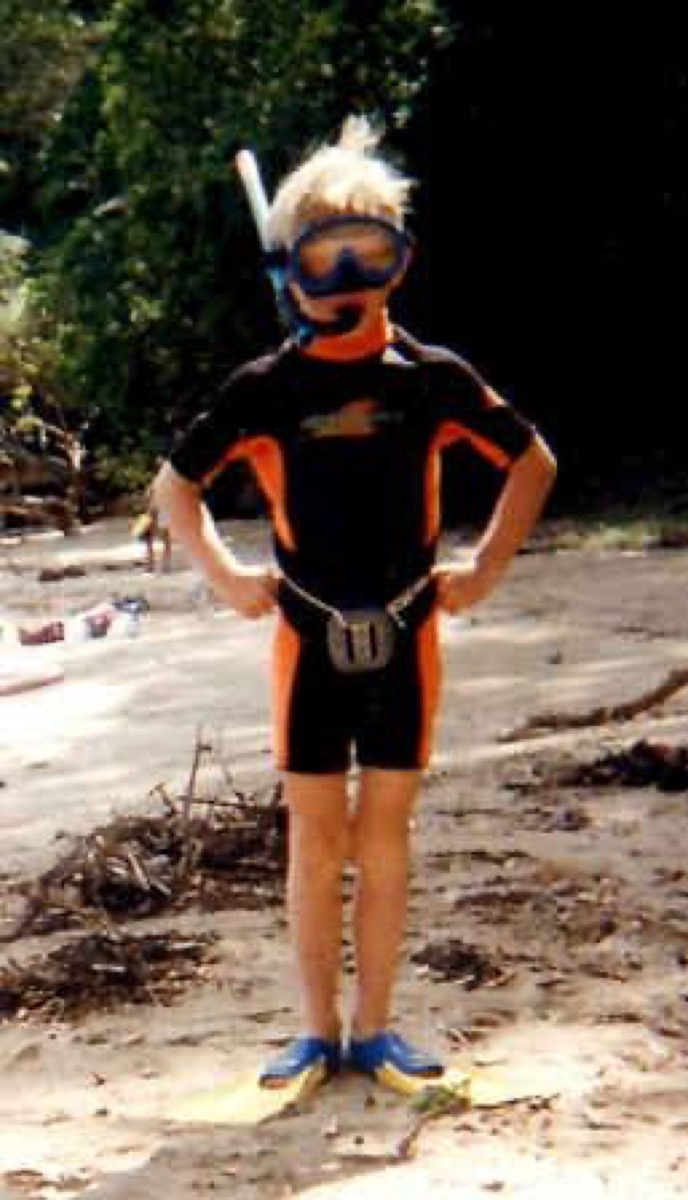
In 2021 I was catching up with friends. We drove an hour, then boated another hour out to Little Barrier Island to go spearfishing — we were excited to jump in and find some fish.
Instead, we were met with dismay. There weren't any fish to see. No kelp forests. The seafloor had become a kina barren — bare rock, stripped clean, as far as we could see.
The dive that changed everything
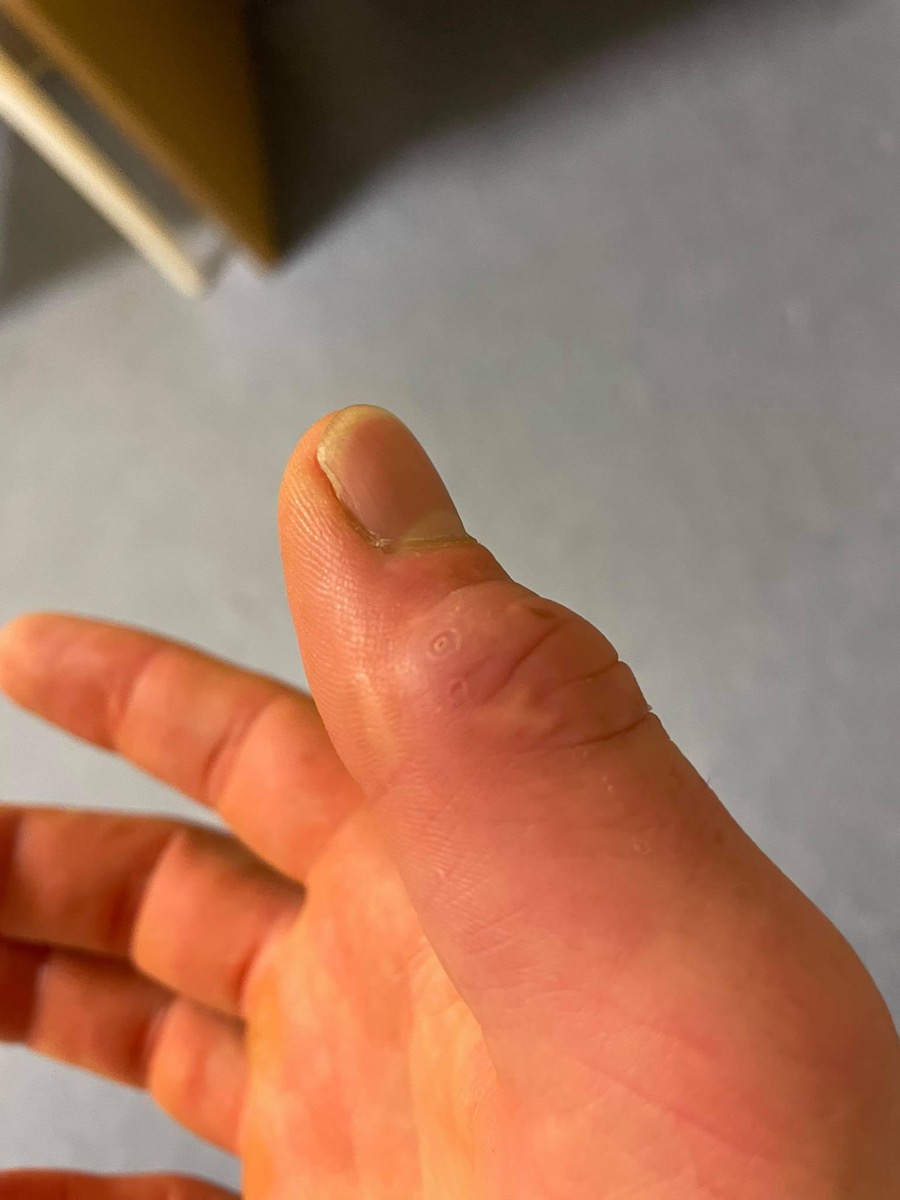
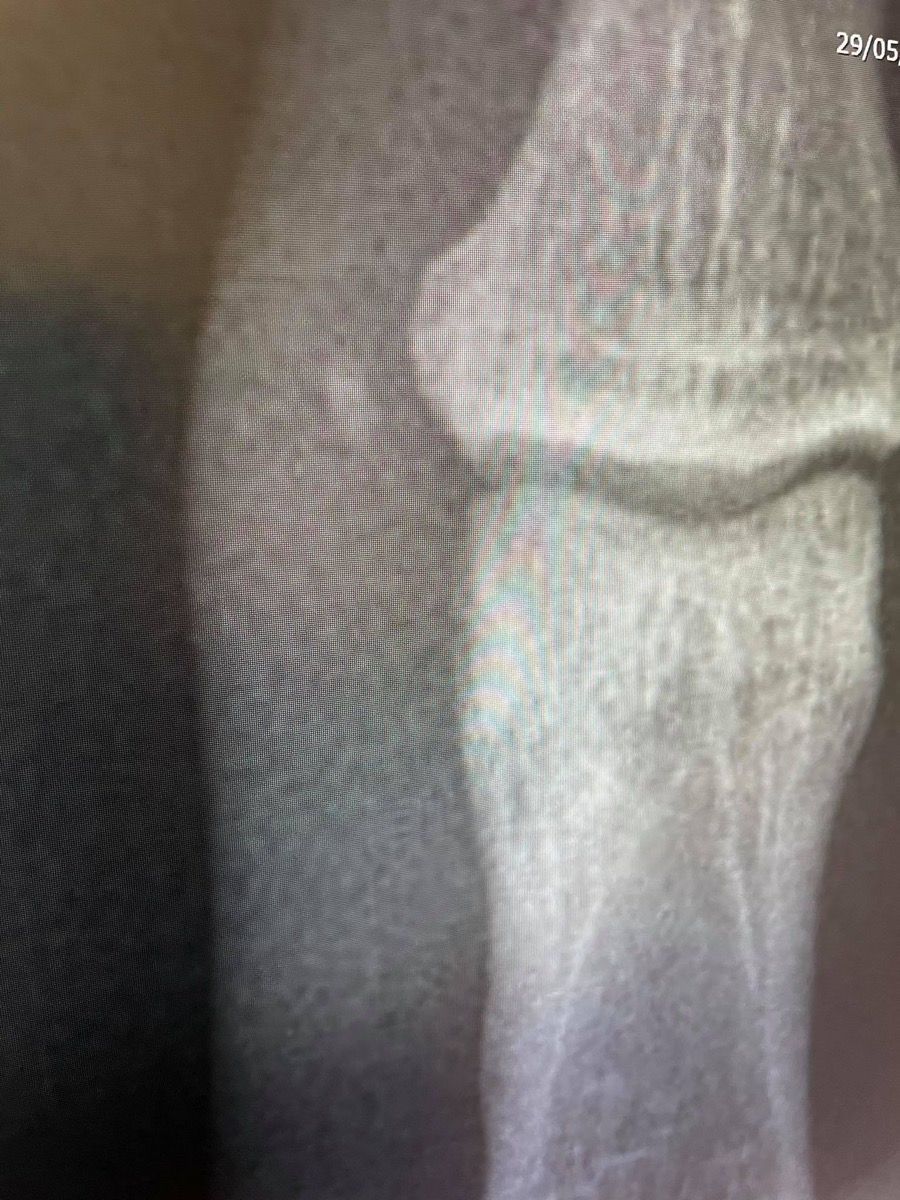
On my last dive of the day, I swam into a small cave looking for kina to remove — even the smallest ones, anything to try and give the reef a chance. While removing one, I got a spike straight into the joint between the bones in my thumb.
It seemed minor at the time. Two weeks later, I was in hospital.

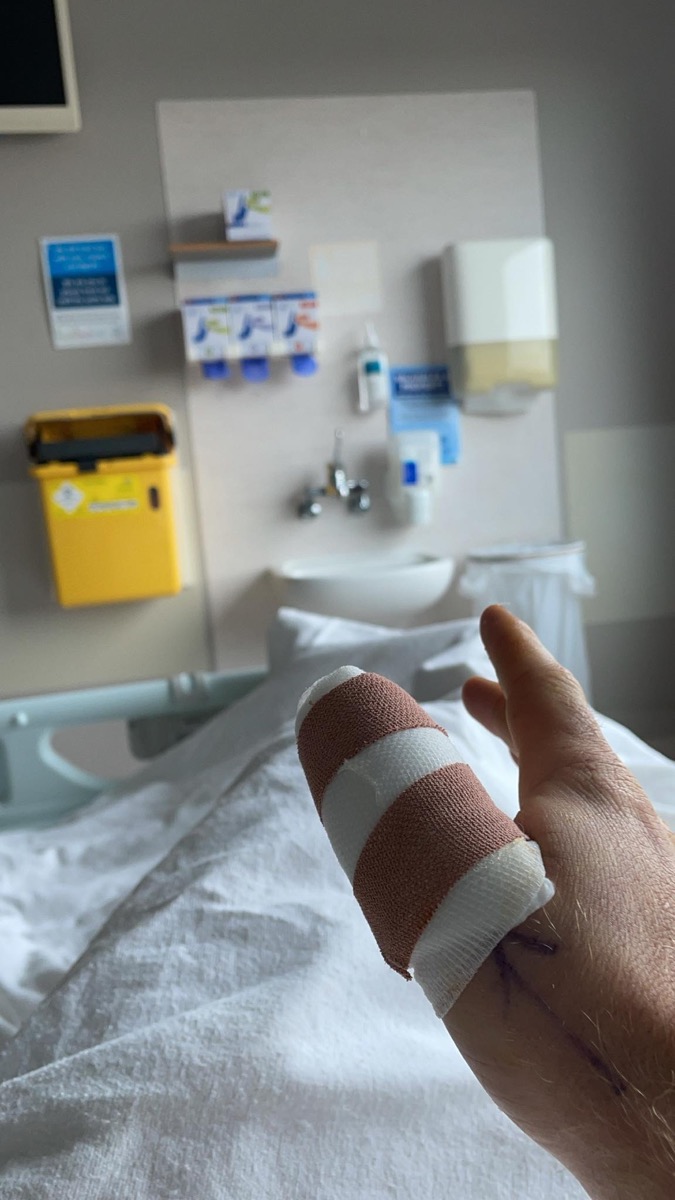
A hospital bed and a hard truth
I stayed overnight in Auckland City Hospital's Adult Emergency department while the infection from the spike was treated. With nothing else to do, I started researching kina barrens and what was actually happening to New Zealand's reefs.
What I found stopped me cold: University of Auckland research showing that, at the current rate of loss, New Zealand was on track to lose its kelp forests entirely within 10 to 15 years.
Why Kelp Helpers exists
I thought about the kelp that used to scare me as a kid — the abundance my father showed me, the fish, the forests. I thought about the fact that the next generation might never get to witness any of it.
That hospital bed is where Kelp Helpers started. Since then, I've been working on ways to restore the rimurimu — the kelp forests — around Aotearoa, and hopefully, eventually, well beyond it.